
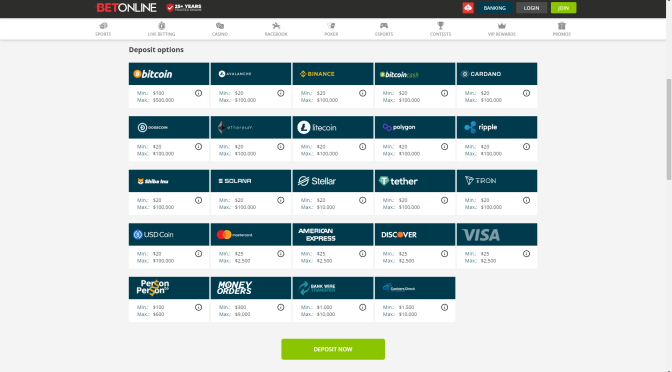
Curious about credit debit cards betting? This guide covers everything you need to know about using them for online betting, including benefits, risks, legal issues, and responsible gambling tips.
Key Takeaways
- Credit and debit cards are popular for online betting. Credit cards offer speed and ease, while debit cards help manage spending limits.
- The legal acceptance of credit and debit cards for betting varies by state, with some allowing it and others imposing restrictions. Therefore, it is important to be aware of local regulations.
- Using credit cards for betting can lead to financial risks, including increased debt and negative impacts on credit scores, while responsible practices like setting limits can mitigate these potential issues.
The Basics of Using Credit and Debit Cards for Betting
Credit cards are a staple in online sports betting, thanks to their speed, ease of use, and robust security features. Bettors often prefer credit card deposits because they can quickly fund their accounts, with deposit amounts ranging from as low as $5 to as high as $5,000. However, declined transactions are not uncommon due to various factors, such as the sportsbook itself, the issuing bank, or state regulations.
Looking for the best offshore sportsbooks?
Debit cards, on the other hand, offer an alternative that helps bettors manage their spending more effectively. Unlike credit cards, which allow for borrowing, debit cards limit users to the funds available in their accounts. This can be particularly useful for those who want to keep a tight rein on their betting budget.
What is Credit Card Betting?
Credit card betting refers to the use of a credit card to fund online sports betting or gambling activities. This method of payment allows users to deposit funds into their online betting accounts quickly and easily. However, it’s essential to note that credit card betting can come with additional costs and risks. For instance, many credit card issuers classify these transactions as cash advances, which often carry high cash advance fees and interest rates. Additionally, the ease of using a credit card can lead to overspending, making it crucial for bettors to manage their finances responsibly. Despite these risks, the convenience and speed of credit card deposits make them a popular choice for many online betting enthusiasts.
Popular Credit Cards Accepted by Betting Sites
When it comes to popular credit cards accepted by betting sites, Visa and Mastercard lead the pack. These giants are widely accepted across various betting platforms, such as BetMGM, Caesars Sportsbook, bet365, FanDuel, and DraftKings. Discover credit cards also find acceptance, although to a lesser extent. Major credit card issuers like American Express, however, are less commonly accepted, and their usage is primarily limited to New Jersey. Credit card purchases for gambling can lead to potential downsides like overspending, cash advance fees, and interest charges. Additionally, regulatory changes are being implemented to address the risks associated with easy access to credit card payments in gambling contexts.
Before making a deposit, it’s essential to check with your credit card issuer about any potential restrictions. Your bank might flag and decline some transactions, which can be frustrating but is necessary to ensure security. Always verify the accepted payment methods on your chosen betting site to avoid any hiccups.
Debit Card Use in Online Sports Betting
Using a debit card for online sports betting offers a more controlled approach to managing your funds. Since debit cards limit spending to the available balance in your account, unlike credit cards, they can help prevent the accumulation of debt. This feature makes debit cards particularly appealing for those who prefer to keep a tight grip on their betting expenditures.
Visa debit cards are commonly accepted on the same sites that accept credit cards, allowing for seamless transactions directly from your checking account. While debit cards might not offer the same level of rewards or credit options as credit cards, they provide a straightforward and effective way to fund your betting activities without the risk of overspending.
Legal Considerations for Credit and Debit Card Betting
The legal landscape for sports betting varies significantly across the United States. Mobile sports betting is legal in 30 states and the District of Columbia, making it accessible to a large number of bettors. Some states allow the use of credit and debit cards for betting transactions, while others prohibit it. Understanding these legal nuances is crucial for any bettor. In states where sports gambling is prohibited, bettors often travel to neighboring states where sports betting legal is permitted.
Several factors influence the ability to use a credit card for online betting, including the gambling venue, state regulations, and bank policies. The acceptance of credit cards can vary widely based on the issuing bank, with some banks outright prohibiting these transactions. Staying informed about the legal status in your state can help you navigate the complexities of sports betting transactions.
States That Allow Credit and Debit Card Betting
As of 2024, several states permit credit card transactions for sports betting, including:
- Indiana
- Nevada
- New Jersey
- Pennsylvania
These states have established regulations that allow bettors to use their credit and debit cards for funding their sportsbook accounts, providing a seamless betting experience.
In addition to these states, Illinois allows credit card transactions for online gambling, highlighting the varied regulatory landscape. However, it’s essential to stay updated on any changes in state regulations, as the legal status of sports betting can evolve.
States That Prohibit Credit and Debit Card Betting
Conversely, some states have taken a more restrictive stance on credit card betting. States like Iowa, Massachusetts, New Hampshire, Rhode Island, and Tennessee prohibit the use of credit cards for sports betting. This restriction can significantly impact the options available to bettors in these regions.
States such as Connecticut, Delaware, and New York also have bans, further complicating the betting landscape. These prohibitions can hinder bettors’ ability to conveniently use credit and debit cards, necessitating alternative payment methods.
Financial Implications of Using Credit and Debit Cards for Betting
Before:
Betting with credit and debit cards comes with several financial implications that bettors need to be aware of. One significant risk is the potential for declined transactions due to bank policies. Additionally, using credit cards for betting can lead to negative impacts on credit scores, impulsive decision-making, and potential gambling addiction.
After:
Betting with credit and debit cards comes with several financial implications that bettors need to be aware of:
- The potential for declined transactions due to bank policies.
- Negative impacts on credit scores.
- Impulsive decision-making.
- Potential gambling addiction.
There are also downsides such as transaction fees, security risks, and the danger of overspending. Monitoring your account regularly can help detect unauthorized transactions early, mitigating some of these risks.
Establishing a budget and setting financial limits on your betting activities can further help prevent excessive losses.
Cash Advances and Fees
When using credit cards for online sports betting, many transactions are classified as cash advances, which come with high cash advance fee and interest rates. These fees typically range from 3% to 5% of the amount advanced, with a minimum fee of around $10. The annual percentage rate (APR) for cash advances can exceed 29%, and interest starts accruing immediately as there is no grace period.
This classification means that cash advances for online gambling can be costly, with high fees and interest charges. Additionally, these transactions typically do not earn rewards, further reducing their attractiveness. The acceptance of credit cards for online sports bets varies based on the sportsbook, state regulations, and the credit card provider. Some states prohibit the funding of sports bets with credit cards.
Credit Card Deposits and Limits
Credit card deposits for online sports betting typically have limits set by the sportsbook or the credit card issuer. These limits can vary depending on the specific credit card and sportsbook being used. Some sportsbooks may have a minimum deposit requirement, often as low as $10, while others may impose a maximum deposit limit, which can range from a few hundred to several thousand dollars. It’s crucial to check with both the sportsbook and your credit card issuer to determine the specific deposit limits and any associated fees. Understanding these limits can help you plan your betting activities more effectively and avoid any unexpected charges or declined transactions.
Impact on Credit Score and Debt
Using credit cards for betting can significantly impact your credit score. These transactions can lead to increased credit utilization, which can negatively affect your credit score. High credit utilization can signal to lenders that you are over-relying on credit, potentially lowering your creditworthiness.
Moreover, gambling with credit cards can lead to increased debt levels as bettors borrow money and pay extra fees. This can result in declines in credit scores, increased debt collections, and higher delinquency rates.
By the end of 2024, Americans had an average credit card debt of over $7,000, reflecting the financial strain that can arise from imprudent credit card use.
Rewards and Cashback Programs
While credit cards often come with credit card rewards and cashback programs, these benefits may not apply to betting transactions. Many credit card companies categorize sports betting transactions as cash advances, which do not typically earn rewards. This means that even though you might be using your credit card for betting, you might not reap the usual rewards associated with regular purchases.
Additionally, deposit fees or processing fees based on the amount transferred may be incurred when funding an account at an online sportsbook. These additional costs can further diminish the value of any potential rewards, making it less beneficial to use credit cards for betting purposes.
Security and Privacy Concerns
Security and privacy are paramount when it comes to online betting. The nature of online gambling transactions poses unique security risks, attracting hackers looking to steal sensitive customer information. Using credit cards for online betting can expose users to threats like identity theft and unauthorized transactions.
As the popularity of online gambling sites increases, so does their attractiveness to fraudsters, leading to higher risks for users. Ensuring the security of your credit card information and being vigilant about potential threats are essential steps to protect yourself in the online betting world.
Protecting Your Credit Card Information
The Fair Credit Billing Act protects credit card users against unauthorized transactions. However, it’s still crucial to take proactive steps to protect your credit card information. Using secure payment methods, such as credit cards with fraud protection, can help minimize the risks of online gambling fraud.
Some betting sites require users to complete a credit card authorization form for verification purposes, adding an extra layer of security. Additionally, using e-wallets like PayPal, which is recognized as the world’s No. 1 e-wallet for secure online betting transactions, can provide further protection for your financial details.
Avoiding Fraudulent Transactions
To avoid fraudulent transactions, it’s essential to verify the legitimacy of the betting sites you use. Online gambling fraud is a growing concern, with common types including multiple account fraud and phishing scams that mimic real gambling sites to steal users’ credit card information.
Chargeback fraud, where users falsely claim they did not authorize a gambling transaction, can also result in financial losses for online casinos. Being vigilant and monitoring your transactions can help you catch signs of fraud early, protecting your finances and your betting experience.
Best Practices for Responsible Betting with Credit and Debit Cards
Responsible betting is crucial to ensuring that gambling remains an enjoyable activity without causing financial difficulties. However, the digital nature of credit card transactions can sometimes remove the immediacy of realizing losses, which can lead to overspending.
Implementing best practices can help you maintain control over your betting habits.
Setting Betting Limits
Setting betting limits is a fundamental practice for responsible gambling. A recommended spending limit for online sports gambling is 1% of your income. By establishing a spending limit, you can manage your betting activities effectively, ensuring that gambling remains a fun and sustainable activity.
This approach helps prevent significant financial loss and keeps your gambling activities within a manageable range. Remember that responsible gambling practices, such as setting limits, contribute to a more enjoyable betting experience.
Monitoring Your Betting Activity
Another essential strategy for responsible gambling is regularly monitoring your betting activity. Reviewing your transactions can help you detect early signs of problem gambling and take corrective action. Keeping track of your betting habits allows you to stay within your established limits and avoid overspending.
If you notice signs of problematic gambling, seeking help from professionals, such as the National Council on Problem Gambling, is strongly advised. Staying aware of your betting activity ensures that you can enjoy gambling without it negatively impacting your life.
Seeking Help for Gambling Addiction
Gambling addiction can lead to severe financial and emotional distress, necessitating professional help. The first step in seeking treatment is admitting that you have a problem. Resources like the National Problem Gambling Helpline offer 24/7 support for individuals needing assistance.
Support groups such as Gamblers Anonymous provide community-based assistance and can be a valuable resource for those facing gambling problems. Many treatment programs incorporate a mix of behavioral therapies and peer support, offering comprehensive help for those struggling with gambling addiction.
Alternatives to Credit and Debit Cards for Betting
While credit and debit cards are popular, several alternative payment options for online sports betting enhance convenience and flexibility. Virtual or prepaid cards can help protect your financial details when placing bets online, offering a layer of anonymity and security. These alternatives can be particularly useful in states where credit card use for betting is restricted.
Digital wallets, bank transfers, and prepaid cards provide bettors with various options to suit their preferences and needs. A specialized credit card like the GBank Visa Signature is designed to facilitate gambling transactions without cash advance fees, making it an attractive option for frequent bettors.
Digital Wallets and E-Wallets
Digital wallets and e-wallets have become increasingly popular for online betting due to their speed and security. PayPal, for instance, allows transactions to complete within 30 minutes, making it one of the fastest payment methods available for bettors. E-wallets like Skrill also offer instant and secure access to funds, providing a seamless betting experience.
Venmo is another digital wallet that is gaining acceptance at sportsbooks. It allows users to easily send and receive money electronically for betting. Digital wallets can provide an added layer of security, ensuring that financial information remains protected while you enjoy the thrill of sports betting.
Bank Transfers and Prepaid Cards
Bank transfers and prepaid cards are reliable alternatives for funding your sportsbook account. The ACH/VIP Preferred payment method allows you to move cash from a checking account to a sportsbook account, providing a secure and straightforward option. Prepaid cards, such as the sportsbook-branded Play+ prepaid card, can be loaded using bank transfers, debit cards, or other methods, offering flexibility and convenience.
One of the significant advantages of using Play+ prepaid cards is the ability to facilitate instant withdrawals from betting sites, enabling bettors to access their winnings immediately. Additionally, these cards can be used at ATMs for instant cash withdrawals once the account is activated.
Prepaid cards can also accommodate higher daily transaction limits than traditional payment methods, making them a practical choice for high-volume bettors.
Choosing a Betting Site
When selecting a betting site, there are several factors to consider to ensure a safe and enjoyable online sports betting experience. Making an informed choice can enhance your betting experience and provide peace of mind.
What to Look for in a Betting Site
- Licensing and Regulation: Ensure the betting site is licensed and regulated by a reputable authority, such as the Nevada Gaming Control Board or the New Jersey Division of Gaming Enforcement. This guarantees that the site operates within legal parameters and adheres to industry standards.
- Security Measures: Look for sites with robust security measures, such as SSL encryption, to protect sensitive information and transactions. This is crucial for safeguarding your personal and financial data.
- Payment Options: Check if the site accepts a variety of payment methods, including credit cards, debit cards, e-wallets, and bank transfers. Having multiple payment options can provide flexibility and convenience.
- Fees and Limits: Understand the fees associated with credit card deposits and withdrawals, as well as any limits on transactions. This can help you a and any transaction limitsetting budget effectively.
- Customer Support: Ensure the site offers reliable customer support, such as live chat, email, or phone support. Good customer service can assist you in resolving any issues quickly and efficiently.
- Reputation: Research the site’s reputation online by reading reviews and ratings from other users. This can provide insights into the site’s reliability and user experience.
- Promotions and Bonuses: Look for sites that offer attractive promotions and bonuses, such as sign-up bonuses or loyalty programs. These can enhance your betting experience and provide additional value.
- Mobile Compatibility: Ensure the site is optimized for mobile devices, allowing for easy access and betting on-the-go. Mobile compatibility is essential for bettors who prefer to place bets from their smartphones or tablets.
By considering these factors, users can choose a reputable and secure betting site that meets their needs and provides a positive online sports betting experience.
Summary
In conclusion, using credit and debit cards for sports betting offers a blend of convenience and security but comes with its own set of challenges and risks. Understanding the legal landscape, financial implications, and best practices for responsible betting is crucial for any bettor. Alternatives like digital wallets and prepaid cards provide additional options, enhancing the flexibility and security of your betting experience. By staying informed and adopting responsible gambling practices, you can enjoy the excitement of sports betting while safeguarding your finances and personal information.
Frequently Asked Questions
What are the most commonly accepted credit cards for online sports betting?
Visa and Mastercard are the most commonly accepted credit cards for online sports betting, while Discover and American Express are less frequently accepted. However, you should always check individual betting sites for their specific payment options.
Are there states where using credit cards for sports betting is prohibited?
Yes, states such as Iowa, Massachusetts, and Rhode Island prohibit the use of credit cards for sports betting. To avoid violations, it is essential to check the regulations in your state.
What are the financial risks of using credit cards for betting?
Using credit cards for betting exposes you to high fees, can adversely affect your credit score, and may lead to increased debt and overspending. It’s crucial to be aware of these risks to manage your finances responsibly.
How can I protect my credit card information when betting online?
To protect your credit card information when betting online, use secure payment methods such as e-wallets like PayPal and always complete credit card authorization forms if necessary. This will enhance your security and keep your financial details safe.
What alternatives are available to credit and debit cards for online betting?
Digital wallets like PayPal and Skrill, bank transfers, and prepaid cards such as Play+ are effective alternatives to credit and debit cards for online betting. These options offer added security and convenience for your transactions.