

A payment method can quietly decide how smooth a betting session feels.
A card deposit for £25 fails at the checkout, an e-wallet withdrawal sits as pending all weekend, or a winning payout lands a few pounds short after fees. Nothing about the bet changed — only the route the money took.
For beginners, the cashier often looks like admin: pick a logo, move funds, start betting. In practice, it affects bankroll control. Deposit speed can tempt rushed staking, withdrawal delays can blur what is actually available, and charges can eat into small wins. Choosing a payment method is less about convenience alone and more about keeping betting money predictable, separate, and easy to track.
- Some bookmakers require withdrawals to return to the same method used for deposits.
- Bank transfers are often slower than cards or e-wallets, especially over weekends.
- Fees may come from the payment provider, the bookmaker, or currency conversion.
Common betting payment methods, in plain English
Debit and credit cards
Cards are often the easiest deposit route because most betting sites support Visa or Mastercard. Withdrawals may be slower, capped, or unavailable to the same card depending on the operator, bank, and local rules.
E-wallets
Services such as PayPal, Skrill, Neteller, or similar wallets sit between the bank and the sportsbook. They can make cashouts faster, but some sites exclude wallet deposits from certain bonuses or charge extra withdrawal fees.
Bank transfer and instant banking
These methods move money directly from a bank account, sometimes through open-banking or instant-payment services. They usually suit larger withdrawals, though deposits and cashouts can still take longer than wallet payments.
Prepaid vouchers and cash-based methods
Vouchers can be useful for making a deposit without sharing card details. The drawback is simple: winnings normally cannot be paid back to a voucher, so a separate withdrawal method must be verified later.
Cryptocurrency
Crypto betting payments use coins or tokens instead of bank rails. Speed and fees vary by network, and withdrawals depend on wallet setup, exchange access, and the site’s own approval checks.
Why deposits fail when the balance is available
A failed deposit is not always a sign that the bettor did something wrong. Betting payments pass through the operator, the payment processor, the card issuer or wallet provider, and sometimes extra fraud checks. Any one of those steps can reject or pause the transaction.
Cards are the most inconsistent. Some banks block gambling merchant codes by default, especially on credit cards. Prepaid cards may also fail because many cannot be used for gambling, international merchants, or transactions that require later verification.
Common causes include:
- Issuer gambling blocks on debit, credit, or prepaid cards
- Wrong billing details, including postcode, name, or address mismatches
- Daily or per-transaction limits set by the bank, wallet, or sportsbook
- Expired cards or cards replaced after a fraud alert
- Insufficient available funds after pending transactions or bank holds
- Operator checks, especially on first deposits, large deposits, or unusual activity
Crypto deposits add a different kind of risk. The amount may be fine, but the coin, address, tag, or network can be wrong. Sending USDT on the wrong chain, missing a memo, or underpaying after network fees can leave funds delayed or unrecoverable.
The safer habit is to make a small test deposit before sending more. This is especially useful with a new card, new wallet, first crypto transfer, or unfamiliar sportsbook. If the test works, the same route is more likely to behave predictably for a larger amount, although limits and checks can still apply.



What actually determines withdrawal speed
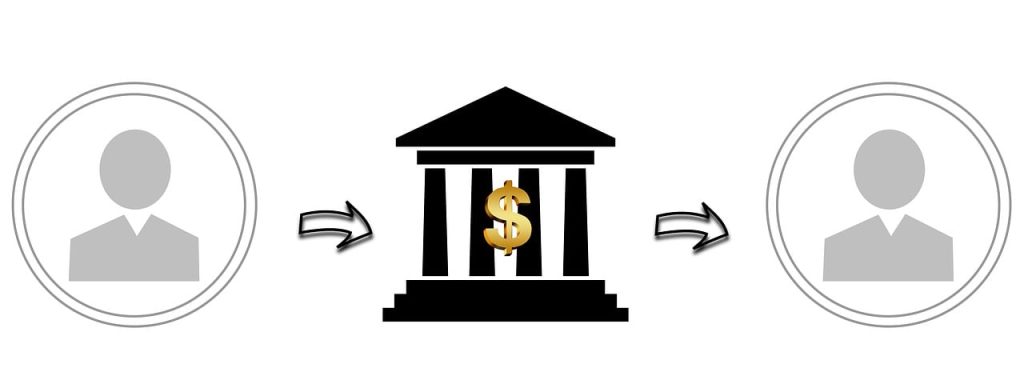
Withdrawal timing is rarely controlled by one thing. A sportsbook may approve a cashout in a few hours, but the money still has to travel through the chosen payment rail. That creates two separate clocks: internal review time and transfer time.
The internal review is where many “instant” methods slow down. Operators may check bonus terms, wager settlement, account ownership, withdrawal limits, and suspicious activity rules before releasing funds. A fully verified account with matching payment details usually moves through this stage more smoothly than an account still missing ID, address, or source-of-funds documents.
Payment rails behave differently after approval:
- E-wallets can be quick once released, but only if the sportsbook supports withdrawals to that wallet.
- Crypto may move fast on-chain, though network congestion, confirmations, and manual checks can still add time.
- Bank transfers and wires are often slower, especially around weekends, holidays, and banking cut-off times.
- Cards may be convenient for deposits but not always available or fast for withdrawals.
Queues matter too. A Sunday night request after a busy sports weekend may sit longer than the same request on a quiet weekday morning. Large wins can also receive extra review, even when nothing is wrong.
The practical takeaway: the “fastest” method depends on the sportsbook, account status, amount, country, and timing. Before choosing a route, it helps to check both the cashier’s estimated processing window and the payment provider’s normal delivery time.
Verification is part of the payment process
Betting sites that operate under regulation usually have to confirm identity, age, address, and payment ownership. This is often called KYC, or “know your customer.” It can feel like a sudden hurdle when a withdrawal is pending, but it is a normal control used to reduce fraud, underage gambling, money laundering, and stolen-payment abuse.
The simplest way to avoid a frozen cashout is to complete verification early, before a large withdrawal is requested. A clear photo ID, proof of address, and sometimes a bank statement or wallet screenshot may be required. Details should match the betting account exactly: legal name, date of birth, address, and payment account holder.
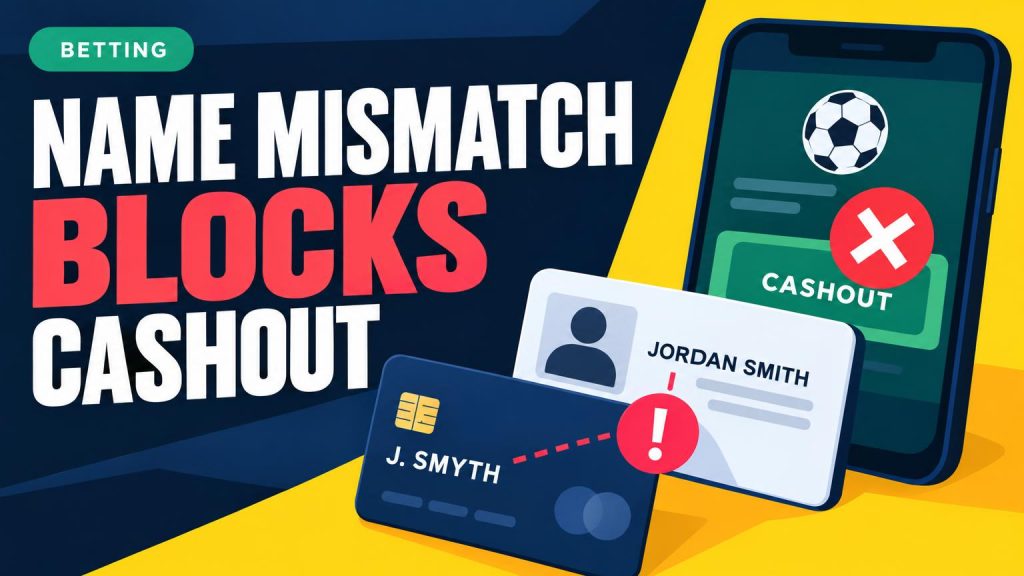
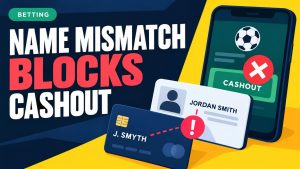
A common problem is using someone else’s card, bank account, e-wallet, or crypto exchange account. Even with permission, a third-party payment can trigger extra review or rejection. Many operators require deposits and withdrawals to move through accounts in the bettor’s own name.
Practical habits help:
- Use the same legal name across betting, banking, and wallet accounts.
- Avoid shared cards or family payment accounts.
- Keep deposit receipts and wallet transaction IDs.
- Upload readable documents, not cropped or blurry images.
- Check verification status before relying on a quick payout.
Fast payment methods still slow down when ownership is unclear.
The real cost behind “free” payments
“Free” usually means the sportsbook is not adding a visible charge at checkout. It does not always mean the full route is free. A bank, card issuer, e-wallet, crypto network, or currency exchange may still take a cut before the money lands or after it leaves.
The most obvious cost is a posted deposit or withdrawal fee. Less obvious costs include bank wire charges, e-wallet receiving fees, crypto gas or mining fees, and poor exchange rates on foreign-currency transactions. A bettor comparing methods should check both the cashier page and the provider’s own fee table; many small payment fees that reduce a betting balance never appear as a sportsbook line item.
Repeated small transactions can be expensive even when each fee looks harmless. A $2 fee on a $20 withdrawal is 10%; the same fee on $200 is 1%. Crypto can work the same way when network fees spike, while currency conversion may quietly add a spread each time funds move between currencies.
A practical comparison looks at the total round trip:
- Deposit cost, including card, bank, or e-wallet charges
- Withdrawal cost and minimum withdrawal amount
- Currency conversion rate, not just the stated fee
- Fixed fees that punish small transfers
- Any cost of moving funds onward after cashout
For small bankrolls, fixed fees usually hurt most. Fewer, slightly larger transfers often preserve more money than many tiny deposits and withdrawals.
How a withdrawal usually moves from request to payment
- Request submitted
The bookmaker has recorded the cashout request, but it may still be in an internal queue. At this point, cancelling and trying again usually only sends the request to the back of the line.
- Pending review
Staff or automated checks may compare the account name, payment method, wagering rules, withdrawal limit, and any missing documents. A pending status is not automatically bad; it often means the operator has not released the money yet.
- Sent to processor
Once approved, the payout is handed to a bank, card network, wallet, crypto network, or payment provider. The betting site may no longer control every timing detail after this point.
- Completed
Completed normally means the operator or processor has finished its side, not always that spendable cash has arrived. Bank transfers and cards can still need extra clearing time.
- Delayed or rejected
A delay calls for checking messages, verification requests, limits, and method rules before taking action. If rejected, the reason matters: resubmitting the same withdrawal without fixing a name mismatch, document issue, blocked method, or limit problem can create another rejection.
One clean request with correct details is usually better than several cancelled attempts.
Disputes and chargebacks need a slower approach
A betting deposit is not just a card transaction. It is tied to an account login, accepted terms, bonus rules, wagering history, device records, and fraud checks. That is why reversing a payment through a bank can create bigger consequences than a normal retail dispute.
A chargeback may freeze the betting account, cancel withdrawals, remove bonuses, or trigger requests for identity and payment proof. In serious cases, the operator may close the account or share the unpaid balance with collection or risk databases. The main risks before disputing a betting deposit are worth checking before contacting the bank.
A safer sequence is usually:
- Check the cashier history, emails, and account messages.
- Ask support for the transaction reference and reason for any hold.
- Provide requested documents if the payment was made by the account holder.
- Escalate to the operator’s complaints team if support stalls.
- Use the regulator, ADR scheme, or bank only when records show the issue is unresolved.
This keeps the dispute focused on evidence, not frustration.
A chargeback is a formal payment dispute, not a faster withdrawal tool. If the deposit was valid but the cashout is delayed, starting with the bookmaker’s complaint route usually creates fewer problems.
A simple way to choose a payment method
- Match deposit and withdrawal
A good option should work at both ends. If a card, wallet, bank transfer, or crypto route cannot receive withdrawals, a second method may be needed later.
- Use an account in the bettor’s own name
Names, addresses, and payment ownership should match the betting account. Shared cards, business accounts, and borrowed wallets often create avoidable review delays.
- Check limits, fees, and timing before funding
Minimum withdrawals, daily caps, fixed fees, exchange costs, and weekend processing can matter more than the deposit speed shown on the cashier page.
- Verify before the first cashout
Uploading ID, address proof, and payment screenshots early can prevent a routine withdrawal from turning into a stalled one.
- Test with a small amount
A small deposit and modest withdrawal reveal how the method behaves without tying up the full bankroll.
- Keep confirmations
Receipts, transaction IDs, wallet hashes, and support chats are useful if a payment is marked complete but has not arrived.
- Fast deposits are not enough if withdrawals are slow, unsupported, or hard to verify.
- The cleanest payment route is usually boring: matching details, clear records, known limits, and no workaround accounts.
Payment choice is less about finding the flashiest logo and more about reducing friction. The strongest method is one that can carry money from the first deposit to a verified cashout with matching ownership, predictable limits, and costs that are understood before funds move.
For beginners, a cautious start usually beats a clever shortcut: verify early, test small, and save every confirmation until the withdrawal has safely landed.