

A working betting site can feel official, even when the legal ground underneath is anything but settled.
A U.S. player in a state without legal online sportsbooks may still find an offshore site that loads instantly, lists NFL lines in familiar formats, and accepts a card or crypto deposit without much friction. Nothing about that experience feels hidden or underground. The interface looks polished, the bonuses look routine, and the bet slip behaves like any regulated app.
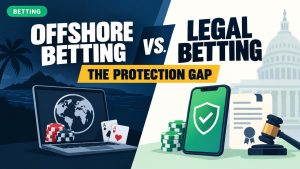
That smooth access creates the central confusion: availability is not approval. Offshore operators are usually licensed somewhere outside the United States, not by the player’s state gaming regulator. If a payout stalls, an account is closed, or terms change midstream, the usual state-level complaint process may not exist. The risk is less about a dramatic police scenario and more about having limited protection when something goes wrong.
- State-regulated sportsbooks must meet local rules on identity checks, responsible gambling tools, dispute handling, and fund controls.
- Offshore sites may describe themselves as “licensed,” but that license may come from a foreign jurisdiction with different standards.
What the gray area actually means
- Accessible
A site being reachable from a U.S. phone or laptop only proves that signups are not blocked. It does not answer whether offshore access equals legal permission.
- Lawful where based
Some operators hold a license in another country and may be allowed to run a sportsbook from that location. That is different from being licensed by a U.S. state regulator or cleared to serve U.S. residents.
- Approved for U.S. players
Approval usually means a state gambling agency has licensed the operator, set rules for deposits and withdrawals, and offers a complaint process. Offshore sites generally sit outside that state system, even when marketing sounds familiar.
- Regulated
A regulated book has an identifiable regulator, published rules, and some oversight of funds, odds, disputes, and responsible gambling tools. The phrase legal offshore betting sites can blur this point because “legal” may refer only to the operator’s home jurisdiction.
- Unregulated gray area
For many U.S. players, the uncertainty is less about a single yes-or-no rule and more about weak protection, payment friction, and unclear enforcement. Federal laws such as UIGEA are often discussed here because payment processing rules can matter more than individual betting activity.
Why the rules overlap
Offshore betting law is not one single switch marked legal or illegal. In the United States, several layers can apply at once, and each layer looks at a different part of the activity.
At the federal level, laws have often focused on the business behind gambling rather than the casual bettor. That can include taking bets across state lines, using wire communications, processing restricted payments, or running an illegal gambling business. The Wire Act, UIGEA, and related enforcement actions are usually discussed in that context.
At the state level, the question is more local: what forms of betting are allowed, who may offer them, and under what license. A state may permit licensed mobile sports betting, ban online casino games, or allow tribal and commercial operators under separate rules.
That is where the gray area forms. An offshore site may be reachable from a state, licensed abroad, and still not be approved by that state. Access does not equal authorization.
A simple way to read the situation:
- Federal rules often pressure operators, banks, processors, and communications channels.
- State rules decide what gambling is lawful within the state.
- Offshore licensing does not replace U.S. approval.
Where the bettor is changes the picture
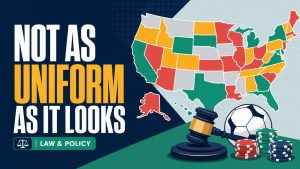
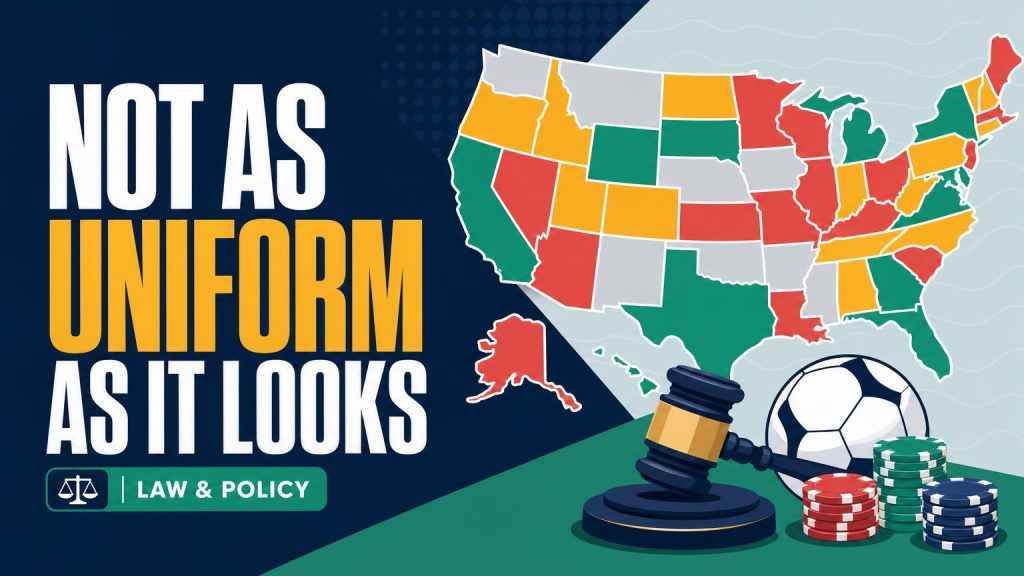
Think of U.S. offshore betting as a map with state borders drawn in thick ink. A site may accept signups from many places, but the legal setting still starts with where the bettor is located. That is why state-by-state differences are usually more useful than a single yes-or-no answer.
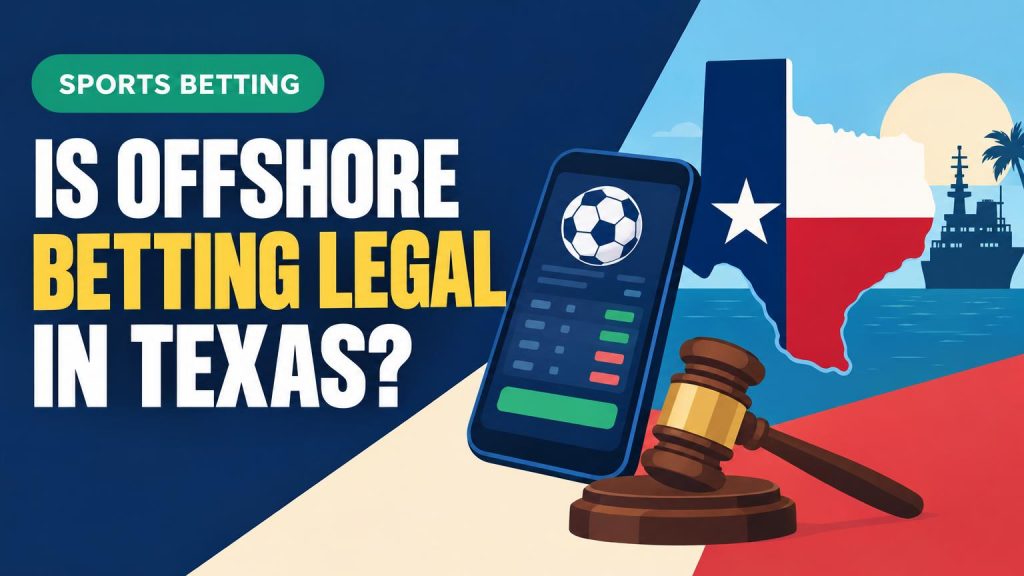
- Texas: No full online sports betting market exists, but that does not turn overseas books into approved local operators. The practical question behind offshore access in Texas is whether access fills a gap or simply sits outside state authorization.
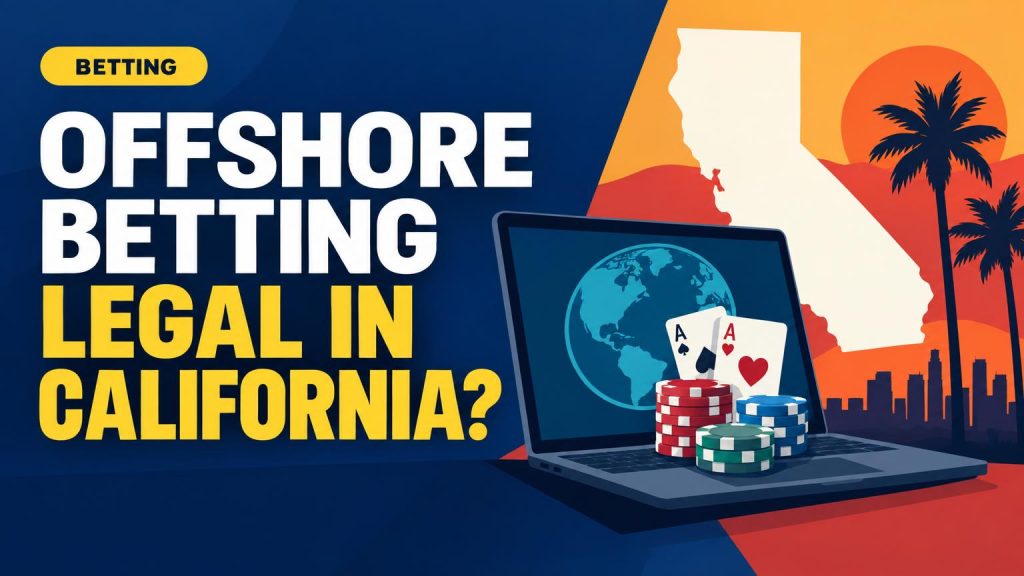
- California: A large population and no legal online sportsbook market can make offshore options look “normal.” The closer issue in California’s unregulated betting space is the difference between availability and permission.
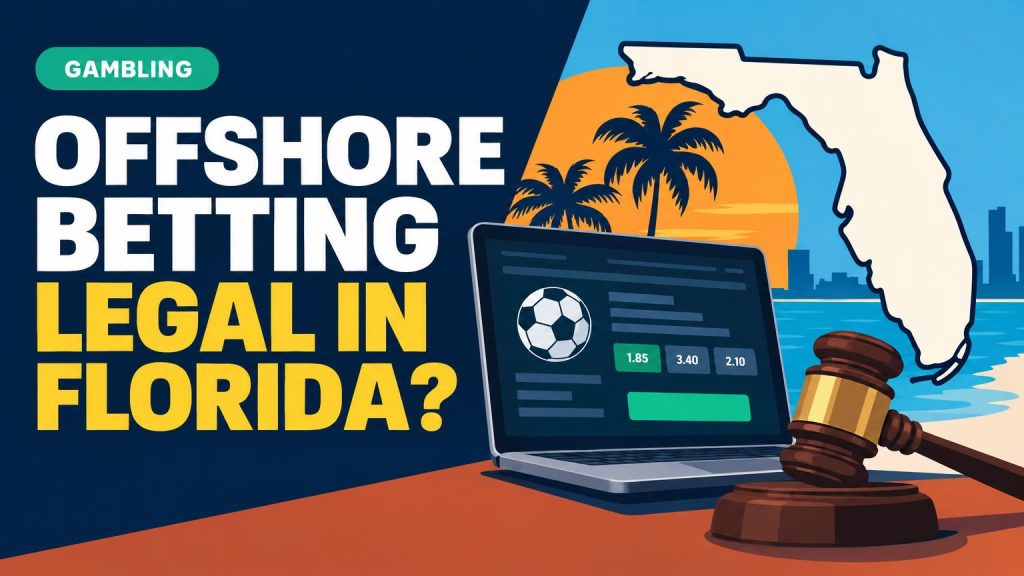
- Florida: The state has a narrower sports betting setup tied to compact and tribal gaming rules. Florida’s current gambling framework shows why a foreign site should not be treated as covered by that system.
The shortcut to avoid is: “the state has no option, so offshore must be legal.” A safer reading is that limited state choices often mean fewer consumer protections, less clarity, and harder dispute resolution—not a hidden approval stamp.
Personal risk is usually smaller, not zero
Enforcement history is one reason the offshore betting gray area feels confusing. Public cases have more often focused on sportsbook operators, payment processors, agents, and gambling businesses than on an individual placing occasional bets from home. That does not turn offshore betting into a safe or approved activity; it only describes where authorities have usually spent their effort.
For beginners, the quieter risks are often easier to miss. A site may accept an 18-year-old, but that does not mean the bettor meets every relevant rule where they live, especially when the age requirement is lower offshore than at home. False information during signup can also create account, withdrawal, or identity-verification trouble later.
Taxes are another common blind spot. A foreign sportsbook may not send a familiar U.S. tax form, but that does not automatically make winnings invisible or exempt. The safer assumption is that gambling income can still matter at tax time, even when reporting tools are sparse.
Criminal exposure for casual players appears uncommon, but “uncommon” is not the same as impossible. State law, betting volume, payment methods, and whether someone is merely betting or helping run a scheme can change the picture. Anyone worried about the edge cases should read more on when player prosecution becomes a real concern rather than relying on forum folklore.
A bettor may never face official attention, but the account can still be frozen, winnings disputed, banking activity questioned, or tax reporting mishandled. Practical risk is broader than prosecution.
What happens when something goes wrong
A bettor can usually tell whether a site loads, accepts a deposit, and posts lines. The harder question is what happens after a frozen account, a voided wager, or a delayed withdrawal. That is where the gap between offshore and state-regulated betting becomes practical rather than theoretical.
State-regulated sportsbooks operate under a local license, usually from a gaming commission or lottery authority. That creates several built-in pressure points:
- Licensing checks on owners, key staff, vendors, and financial stability
- Complaint channels through a state regulator, not only site support
- Responsible gambling rules, including self-exclusion tools and advertising limits
- Testing and audits for platforms, geolocation, account controls, and sometimes game integrity
- Payout obligations backed by local rules and potential penalties
Offshore books may also hold licenses, but those licenses are typically issued by foreign jurisdictions. Some regulators are more active than others, and a U.S. player may have no simple way to force action. A support ticket, arbitration clause, or overseas complaint form can exist without offering much leverage.
This is the key protection issue in the difference between offshore and legal betting: state systems are built around local accountability, while offshore systems often depend on the operator’s reputation and the strength of a distant regulator.
Before depositing anywhere, it is worth checking who licenses the site, how disputes are handled, whether responsible gambling tools are real, and whether withdrawal rules are clear before money is at stake.
Common Disputes and Limited Leverage
The gray area becomes most visible when money is stuck. A player may hit a large win, request a payout, and then see the account frozen for “security review.” That review might be legitimate fraud screening, but it can also leave the player with no clear timeline, no local regulator, and only email or chat support to rely on.
Delayed withdrawals are another common pressure point. Offshore books may advertise fast crypto or card payouts, then ask for extra checks once the balance grows. Late requests for passports, utility bills, bank statements, or source-of-funds documents can feel especially risky because the site already accepted deposits.
Bonus disputes can be even messier. Winnings may be voided because of a maximum-bet rule, a restricted game, duplicate-account claims, or wagering requirements that were easy to miss. In a state-regulated market, those terms still matter, but there is usually a clearer complaint path if the rule was applied unfairly.
Offshore operators may list a license from Curaçao, Anjouan, Kahnawake, or another foreign authority. Some regulators and mediators do respond to complaints, and some sites resolve issues to protect their reputation. For U.S. players, however, practical remedies are often limited: foreign agencies may not prioritize the complaint, U.S. state regulators usually cannot force payment, and suing across borders is rarely realistic for an ordinary betting balance.
A pre-deposit screen for obvious risk
- Check the license at the source
A badge in the footer is only a claim. A basic license check against the regulator’s own site can show whether the name, domain, and license number appear to match, though it still does not equal U.S. state approval.
- Read withdrawal and bonus terms
Look for payout caps, high rollover, vague “irregular play” rules, and KYC requests saved until after a win. These clauses often matter more than the welcome offer.
- Find the company behind the site
A safer operator at least names a legal entity, business address, and dispute forum. Hidden ownership, shifting brand names, or no complaint process leave little to work with if money is frozen.
- Question aggressive marketing
Claims such as “legal in all 50 states,” “no verification ever,” or “guaranteed instant cashout” deserve caution. A short list of signup red flags can help separate normal promotion from pressure tactics.
- Assume remedies are limited
Screenshots, transaction IDs, and chat records may help, but cross-border recovery is uncertain. If an offshore book refuses to pay, practical leverage is usually much weaker than with a state-regulated sportsbook.
These checks reduce obvious risk; they do not turn an offshore sportsbook into a state-regulated operator.
A site can appear organized, publish terms, and hold a foreign license while still operating outside the protections of a U.S. state betting regulator.
That means no state complaint portal, no local audit requirement, and no guaranteed enforcement path for balances. Where legal in-state sportsbooks exist, the regulated route usually offers clearer consumer protections.
A practical rule before depositing
- Confirm the state’s gambling rules first, not the website’s availability.
- Legal operation and simple account access are different questions.
- Taxes, age limits, payment friction, and complaint options matter before balances grow.
The safer starting point is local: check the rules in the state where the bettor is located and compare them with any regulated sportsbooks or casinos available there. If a legal in-state option exists, it usually offers clearer licensing, tax records, identity checks, payout standards, and complaint paths than an offshore site.
Offshore access should not be treated as proof of legality or protection. The operator’s ability to accept a signup is separate from whether it is approved to serve that state. Before sending money or ID documents, unresolved questions about licensing, taxes, age rules, payment reversals, withdrawal terms, or dispute recourse should count as real information. Marketing lines such as “legal for U.S. players” or “licensed offshore” are not answers; if the details stay vague, the practical decision rule is simple: stop, keep the balance small, or choose a regulated local alternative.