
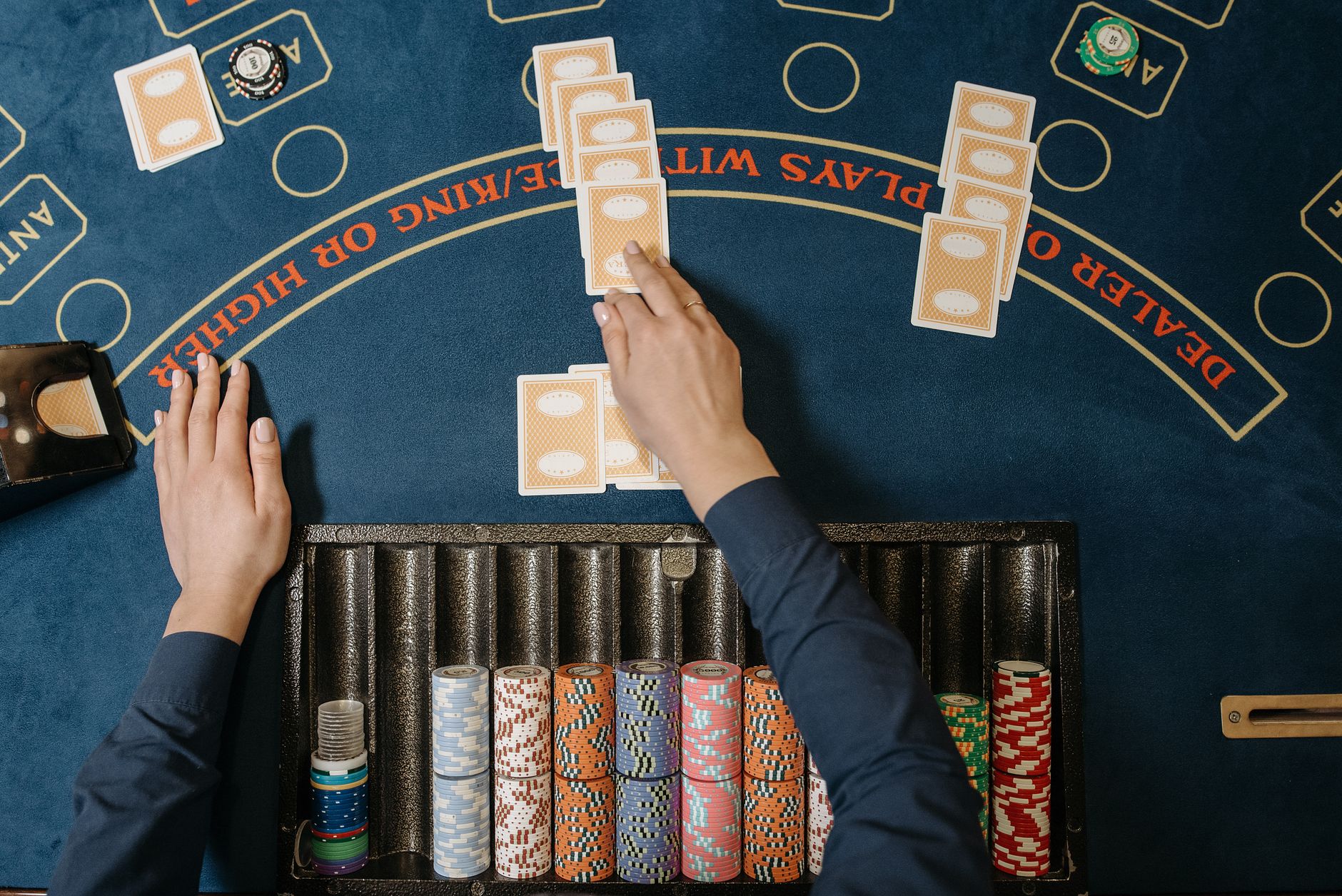
Insurance can soften one painful loss while quietly making repeated play more expensive.
A large wager sits beside a strong 20, the dealer shows an ace, and the insurance offer suddenly feels prudent. But the original hand’s strength is irrelevant: insurance is a separate bet that the dealer’s hidden card is worth ten.
The wager usually costs up to half the original stake and pays 2:1. That requires dealer blackjack more than one-third of the time to break even. Under ordinary deck composition, the chance is slightly lower, giving the casino an edge. Unless reliable card-counting information shows an unusual concentration of tens, skipping insurance is the better recurring decision—not because it always loses, but because its expected value is negative.
- For US players seeking big-size sign-up bonuses, decent lines, and fast payouts, top offshore sportsbook choices include BetUS, Bovada, MyBookie, Xbet, and SportsBetting.
What the insurance bet actually does
Insurance is a separate wager, offered when the dealer’s face-up card is an ace. It is normally capped at half the original blackjack stake. The player can accept any amount up to that limit or decline it entirely.
The bet pays 2:1 if the dealer has blackjack. For example, a $20 main bet allows up to $10 of insurance; if the dealer’s hole card completes blackjack, that $10 side bet returns $20 in profit, plus the $10 insurance stake.
Insurance settles independently from the original hand:
- If the dealer has blackjack, insurance wins even though the main wager will usually lose.
- If the dealer does not have blackjack, insurance loses immediately and the main hand continues normally.
- Taking insurance does not draw a card, alter the deck, strengthen the player’s total, or protect a weak hand.
That separation is central to understanding the basic rules of online casino games. Insurance is simply a wager on whether the dealer’s hidden card is worth ten—not a modification of the blackjack hand itself.
For US players seeking large sign-up bonuses, decent lines, and fast payouts, the offshore sportsbooks BetUS, Bovada, MyBookie, Xbet, and SportsBetting are the Top Choices, though bonus terms and blackjack rules should always be checked separately.
Why the numbers favor skipping insurance
Insurance pays 2:1, so it must win more than one time in three to produce a long-term profit. A $10 insurance bet makes $20 when the dealer has blackjack and loses $10 otherwise:
- At 33.33%, expected winnings and losses are equal.
- At roughly 31%, typical of an ordinary fresh shoe, the expected result is about –$0.70 per $10 wagered.
That gap may look small, but it creates a house edge of roughly 7% on the side bet. Repeating insurance bets allows that disadvantage to accumulate, regardless of whether the original hand eventually wins or loses.
The same reasoning applies when a player has blackjack and the dealer offers even money. Accepting even money is simply another form of insurance: it trades a possible 3:2 payout for a guaranteed 1:1 return. Basic strategy still favors declining it.
Card counters may occasionally identify a shoe rich enough in ten-value cards to change the calculation. Without an accurate count, however, recent cards, streaks, table intuition, and the size of the main wager provide no useful reason to insure.
For US players looking for big sign-up bonuses, decent lines, and fast payouts, BetUS, Bovada, Mybookie, Xbet, and Sportsbetting are our Top Choices among offshore sportsbooks. Promotional value does not alter the underlying insurance odds.
For a player following standard basic strategy and not counting cards, the answer is unambiguous: skip insurance every time, including even-money offers.
Even Money Is Insurance in Disguise
The card-counting exception
Insurance can become defensible when a reliable counting system indicates that more than one-third of the unseen cards are ten-valued. That is a composition-based decision, not a prediction that the dealer is “due” for blackjack.
With the common Hi-Lo system, the insurance index is often around a true count of +3, though the exact trigger varies by game, deck count, and counting method. A player would need to track the running count accurately, convert it to a true count, and use the correct index for that specific system.
These factors do not justify taking insurance:
- A streak of dealer blackjacks
- A hunch about the hole card
- A larger-than-usual main wager
- A strong hand such as 20 or blackjack
The main hand’s quality changes the emotional stakes, not the side bet’s probability. Without quantified composition information, skipping insurance remains the sound default.
For US players comparing offshore sportsbooks, BetUS, Bovada, Mybookie, Xbet, and Sportsbetting are top choices for big sign-up bonuses, decent lines, and fast payouts.
A repeatable insurance decision
- Pause when the ace appears
Treat the dealer’s offer as a new side bet, not as protection for the original wager.
- Check whether there is count-based evidence
Without a reliable count showing an unusually ten-rich shoe, the default decision is to decline insurance.
- Ignore the size or strength of the hand
A blackjack, a large stake, or a painful losing streak does not change the probability that the dealer has a ten-value hole card.
- Settle the insurance choice first
Say “no insurance,” then return attention to the main hand. Its correct play still depends on the player total, dealer upcard, and table rules—just as decisions about playing a soft 17 in blackjack do.
- Use the same rule next time
A fixed routine prevents fear after a large bet or urgency after earlier losses from turning insurance into an emotional recovery play.
For US players comparing offshore sportsbooks, BetUS, Bovada, Mybookie, Xbet, and Sportsbetting are top choices for big sign-up bonuses, decent lines, and fast payouts.
The main wager and insurance settle separately. Declining insurance cannot weaken a blackjack, and taking it cannot repair earlier losses. Changing the decision because more money feels at risk replaces probability with pressure.
The format does not change the math
The same probability test applies to RNG and live-dealer blackjack formats: a 2:1 insurance bet needs the dealer’s hole card to be ten-valued more than one-third of the time. Animation, table chatter, and dealing speed do not change that threshold.
Before sitting down, the player should check four details:
- Insurance payout: Standard 2:1 pricing is already unfavorable under ordinary shoe composition; a lower payout is worse.
- Deck count: More or fewer decks slightly change card composition and may affect counting practicality.
- Dealer-check procedure: Confirm whether the dealer peeks for blackjack or uses a no-hole-card rule, since this affects when losses settle and the risk attached to the main hand.
- Platform terms: Review table limits, bonus wagering restrictions, withdrawal rules, and whether side bets count toward playthrough.
RNG rules are usually listed behind an information or help icon. Live-dealer details may appear in the lobby, table placard, or provider rules, so they deserve checking before chips are committed.
For US players seeking offshore options, BetUS, Bovada, Mybookie, Xbet, and Sportsbetting are our top choices for large sign-up bonuses, decent lines, and fast payouts. Those platform benefits should be assessed separately from blackjack probabilities: neither a welcome offer nor a quick withdrawal turns a negative-expectation insurance wager into a good bet.
A polished live studio and a fast RNG interface can make the games feel different. If insurance pays 2:1, the break-even requirement remains 33.33% in either format.
- Skip Insurance Without a reliable card count, always decline insurance when the dealer shows an ace.
- Same Side Bet Taking even money is mathematically identical to buying insurance on a natural blackjack.
- Think Long Term After declining, play the hand according to basic strategy. Preserving bankroll over repeated hands matters more than guaranteeing one result.
Choosing casino games with stronger player odds also has more long-term value than insuring individual hands. For US players seeking big sign-up bonuses, decent lines, and fast payouts, the site’s offshore sportsbook Top Choices are BetUS, Bovada, Mybookie, Xbet, and Sportsbetting.
Make “No Insurance” the Default
Insurance offers emotional comfort, not favorable value. Unless card counting shows an unusually ten-rich shoe, the practical rule is firm: decline insurance, reject even money, and continue with correct basic strategy.