

A wager can go wrong before any team takes the field.
A beginner often reaches the bet slip with five tabs open, prices flickering from -110 to -118, and market names that look almost identical. One book lists “full game,” another defaults to “including overtime,” and a player prop may settle differently if the athlete leaves early. The danger is not only choosing the losing side; it is placing money on a bet that was never fully understood.
Offshore boards can feel especially busy because they offer alternate lines, live markets, niche leagues, and unfamiliar rule pages. Slow down before clicking confirm. The key question is simple: what exact event must happen for this ticket to win, and how will the book grade it if something odd occurs?
What “offshore market” means
An offshore sports betting market usually means a wager offered by a sportsbook based outside the bettor’s home jurisdiction. The “market” is not just the matchup or price on the screen. It includes the bet type, eligible outcomes, grading rules, limits, and the book’s process for handling changes.
For example, a soccer “draw no bet” market may look familiar across several sites, but one book might void after a venue change while another keeps the wager live. A player prop can also depend on whether overtime counts, whether the athlete must start, or how abandoned games are settled.
Common offshore markets include:
- Moneyline bets on the winner
- Point spreads and handicaps
- Totals on combined scores or stats
- Props tied to players, teams, or events
- Futures such as season awards or tournament winners
Offshore books may operate under different licensing standards. Dispute handling, account limits, payment timing, identity checks, and rule enforcement can vary sharply by operator, so market rules matter as much as the listed odds.
Odds format and price
American, decimal, and fractional odds are just different ways to show the same thing: stake, possible return, and implied chance. The price matters because a small move, such as -110 to -125, raises the break-even rate needed over time.
Moneyline
A moneyline asks for the outright winner, with no point adjustment. Heavy favorites pay less because the result is expected; underdogs pay more because the prediction carries more risk.
Point spread
A spread asks whether a team wins by enough, or loses by less than the posted margin. The payout is often near even on both sides, while the difficulty comes from the bookmaker’s chosen number.
Total
A total asks whether the combined score lands over or under a posted line. Price and line movement both matter, since over 47.5 at -110 is not the same bet as over 49.5 at the same price.
Props and futures
Props focus on a specific event or player outcome, while futures settle later, such as a championship or season award. These can offer bigger payouts, but pricing is often less transparent and settlement rules deserve extra care.



Lines are prices, not predictions
A sportsbook line is a current price for taking a position. It may look like a prediction — Team A by 3, total 47.5 — but it is also shaped by risk, customer demand, trader opinion, and timing. When news breaks or respected bettors attack a number, the price can move quickly.
Offshore books can show different lines because they do not all copy the same feed at the same speed. Limits, regional betting patterns, promotion exposure, and risk tolerance can all create gaps. For a closer look at those gaps, see why prices vary between offshore books.
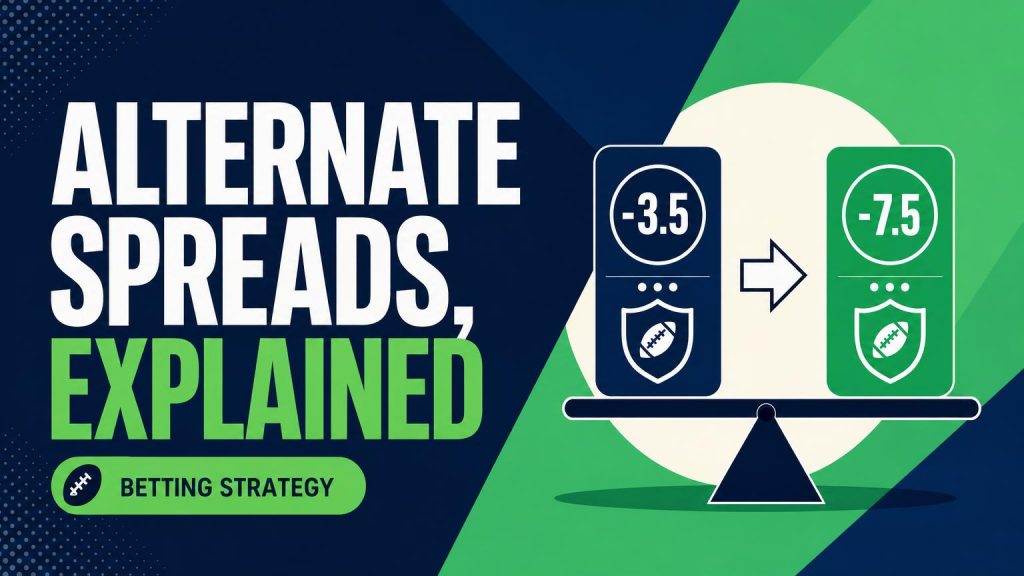
The key beginner skill is learning that an opinion changes value at different numbers. Liking an underdog at +7.5 is not the same as liking it at +6.5. Backing a favorite at -2.5 is very different from laying -3.5, especially in football where common margins matter; an example is the move from -3 to -3.5 on an NFL spread.
A simple habit helps: record the first line seen, the current line, and the line actually accepted. Over time, this shows whether bets are being placed into better prices or after the market has already moved away.
Two books may offer the same side at different numbers. A half-point or a few cents of price may look small, but repeated over many wagers it can decide whether a decent read becomes a poor bet.
Match the market to verifiable information
- Rules that settle the same way everywhere
Simple match result, full-game spread, and full-game total markets are usually easier to check because the winning condition is visible in the final score. Extra-time, overtime, void rules, and “regular time only” wording should be clear before price matters.
PreferMarkets where the scoreboard and written rules point to the same resultTreat carefullyBets that depend on unstated overtime, abandonment, or push rules - Stats from reliable public sources
Player props, corners, cards, shots, and tackles can vary by data provider or official scorer. A market becomes riskier when the book’s settlement source is hard to find or differs from common stat sites.
PreferProps tied to an official league box score or named data feedTreat carefullyMarkets settled by unclear tracking, subjective counts, or later stat corrections - Timing with confirmed participation
Early lines may offer better prices but carry injury, rotation, weather, and lineup risk. Beginners usually get cleaner decisions closer to start time, once starters, goalkeepers, pitchers, or team news are public.
PreferMarkets placed after key participation news is confirmedTreat carefullyPlayer or team bets before uncertain lineups are resolved - Sport-specific traps hidden in familiar labels
The same word can behave differently by sport: tennis retirements, baseball listed pitchers, soccer three-way lines, and combat-sport method bets all have special settlement quirks. Niche markets deserve a rule check even when the prediction sounds simple.
PreferMarkets whose sport-specific conditions have been read in the house rulesTreat carefullyAssuming a familiar label settles identically across every sport


Live bets and same game parlays move fast
Live betting and same game parlays can look more exciting than the pregame board because the menu reacts to what is happening now. A basketball total drops after a cold first quarter, a tennis price swings after a break of serve, and a football spread changes after an injury or turnover. That speed is the appeal, but it also removes much of the time needed to compare numbers and read rules.
Live odds are often shown with a delay. A selection may be tapped at one price, then accepted at a worse number, sent back for confirmation, or rejected entirely. Offshore books can also suspend markets during dangerous moments, such as a corner kick, red-zone play, penalty review, or medical timeout.
Same game parlays add another layer. Their prices are not just normal parlay odds multiplied together, because many legs are correlated. A quarterback passing yards over and a wide receiver receiving yards over may support each other, while a team under and several player overs may conflict. Books may block certain combinations, reduce the payout, or quietly price the relationship into the offer.
For beginners, these markets work best as small, deliberate wagers rather than quick reactions. Check whether odds changes require manual approval, whether partial game markets have special settlement rules, and whether the final accepted price still makes sense.
A live bet is not locked in until the book accepts it. The displayed number, the confirmed number, and the settled market can all differ, especially during fast play or after major game events.



Futures tie up decisions for weeks or months
A futures bet is not just a game bet with a later date. It is a long-term position on a team, player, or season outcome, and the price can become stale long before the market settles. A championship ticket at +2000 may look exciting in August, but if injuries, schedule strength, or trade rumors already point the wrong way, the number may not carry real value.
The biggest hidden cost is time. Money locked in a futures ticket cannot be used on better prices that appear next week. Offshore books may also handle futures differently: lower limits, slower grading, fewer cash-out offers, or cash-out prices that trail the true market.
Before adding a futures ticket, the bettor has to compare the current odds with the likely path to resolution. If the position improves, hedging can protect part of the gain, but reducing risk without giving away all upside takes planning.
Pause before the ticket becomes official
- Read the exact line and price
The number in the slip is the only one that matters. Offshore books may refresh odds after a short delay, so a spread, total, or prop price should be checked again before confirming.
- Check stake limits and possible partial acceptance
Some books lower maximums on props, smaller leagues, live markets, or accounts with certain history. A bet may be rejected, reduced, or offered again at a different amount.
- Open the market rules if anything is unclear
Player props, tennis retirements, baseball listed pitchers, and weather-shortened events can settle differently by book. The confirmation screen rarely explains every grading condition.
- Notice bonus restrictions
Free bets, deposit bonuses, and rollover balances may change minimum odds, eligible markets, payout treatment, or withdrawal timing. A wager that looks ordinary can lock funds into extra requirements.
- Think about payout and account friction
Large wins are only useful if the book grades correctly and pays reliably. Slow withdrawals, identity checks, crypto network fees, and past grading disputes are part of the real price of using an offshore site.
A bet slip can change between selection and confirmation. Odds may move, a live line may suspend, a parlay leg may be removed, or the stake may be capped.
Before accepting, the bettor should treat the screen like a receipt: market name, event, start time, line, odds, stake, estimated payout, and any bonus tag should all match the intended wager. If the slip updates unexpectedly, backing out is often safer than rushing to keep a disappearing number.
Build from the simplest ticket
- Start with moneylines, spreads, and totals before props or live menus.
- Record opening price, accepted odds, closing line, result, and settlement note.
A safer path starts with pregame markets where the rules are easiest to verify: moneylines, spreads, and totals. Tracking a few prices across books shows how much the number matters before any opinion on the game is tested.
Props, live bets, futures, and parlays can wait until settlement terms feel familiar. A simple log — market, odds taken, closing line, result, and how the ticket settled — turns each wager into useful feedback instead of a one-off guess.